
- Category " Activity licences
Table of Contents
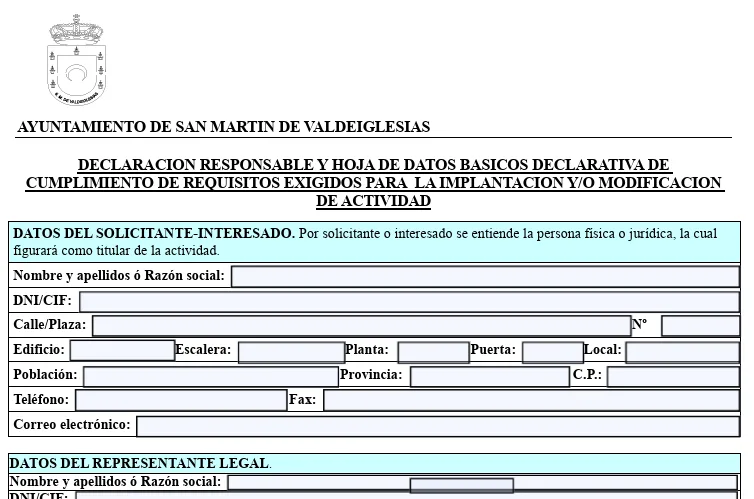
Municipal activity licences are permits required to operate a business in a specific location. These licences ensure that the activity complies with current regulations and is carried out in safe and healthy conditions. There are different types of licences, depending on the nature of the activity. Obtaining them involves following an administrative process that includes the preparation of technical documentation and inspection by the competent authorities.
What is an Activity Licence
The business licence is an essential permit for the operation of businesses in physical spaces. This document is essential to ensure that commercial activities comply with current regulations and contribute to public safety.
Definition and Objective
An activity licence is defined as an official document issued by the local council that allows an individual or company to carry out an economic activity in a specific premises. The main purpose of this permit is to verify that the business complies with the necessary legal, safety and health conditions.
Obtaining this licence not only benefits the entrepreneur, but also protects consumers and the community at large, ensuring that regulations are followed and that businesses operate within the legal framework.
Importance for Local Businesses
Having a business licence is crucial for the successful development of any local business. Its importance can be summarised in several key aspects:
- Legality: Possession of this licence ensures that the company operates legally, reducing the risk of administrative sanctions and legal problems.
- Public Security: The licence helps to ensure that the activities carried out on the premises do not pose risks to the health or safety of citizens. Aspects such as compliance with health, fire safety and accessibility regulations are assessed.
- Regulation and Control: Local authorities use business licences to monitor business operations in their area, ensuring that they comply with current regulations and maintain a standard of quality in the services offered.
- Consumer Confidence: By operating with a business licence, consumers can have confidence in the legality and quality of the business, which in turn contributes to the reputation of the business.
In short, the business licence is an essential element for any entrepreneur seeking to establish a functional and safe business, contributing to the economic development of the community and ensuring a healthy business environment.
Types of Activity Licences
In the business sphere, there are different types of business licences that are classified according to the impact of the activities carried out in each premises. This classification allows the different businesses to be properly managed and ensures the safety and well-being of the community.
Licences for Harmless Activities
Licences for innocuous activities are those that do not cause significant nuisance or risk to public health. These activities are usually low-impact and are often simpler to obtain than in other cases.
Requirements and Examples
- Common requirements for obtaining a safe activity licence include:
- Basic documentation proving the use of the premises.
- Technical report describing the premises and its suitability for the proposed activity.
- Compliance with safety and accessibility regulations.
- Examples of harmless activities are:
- Clothing and accessories shops.
- Professional offices.
- Small restaurants that do not require special hygiene conditions.
Simplified Procedure
The procedure for obtaining a licence for harmless activities is usually more streamlined. In many municipalities, a simplified procedure is allowed that reduces the time and bureaucracy required. This process often includes:
- Submitting the application online or in person.
- Rapid review of the documentation submitted.
- Preliminary inspection to verify compliance with basic regulations.
Licences for Qualified Activities
Licences for qualified activities are granted to those businesses that, by their nature, may generate nuisances or risks. These types of activities require more exhaustive control due to their potential impact on the community.
Additional Documentation Required
In order to obtain a qualified activity licence, additional documentation is required compared to innocuous activities. Documents required include:
- Technical project detailing the characteristics of the activity.
- Report on risk and accident prevention measures.
- Certification of compliance with environmental regulations.
Specific Regulations
Qualified activities must comply with specific regulations that may vary from municipality to municipality. These regulations ensure that the operation of the business does not affect public health and coexistence. They include:
- Noise regulations and hours of operation.
- Accessibility requirements for people with disabilities.
- Compliance with health and safety at work regulations.
Exempt Activities and Responsible Declaration
Some activities may be exempt from obtaining an activity licence. This usually applies to work carried out in private homes, as long as it is not open to the public and does not cause a nuisance to neighbours.
The responsible declaration has become a useful tool for speeding up procedures in these cases. Entrepreneurs must present a declaration certifying that their activity complies with all the corresponding regulations. This mechanism makes it possible to start the activity more dynamically, reducing the bureaucratic burden.
It is essential that owners of exempt businesses inform themselves about the restrictions and guidelines to be followed in order to avoid legal problems. Proper management of these activities is essential for the sustainable development of the community.
Process for Obtaining a Business Licence
The process of obtaining an activity licence involves a series of necessary steps to ensure that the activity to be carried out complies with current regulations and the conditions established by the local council.
Investigation of Municipal Requirements
Before starting any business, it is essential to investigate the specific requirements that the relevant local council establishes for the activity to be carried out. This may vary depending on the locality and the type of business.
Contact with the competent municipality
One of the first actions should be to contact the local municipality. This can be done in person or, in some cases, through digital platforms. During this contact, it is important to request detailed information on the necessary documentation, processing times and any other relevant aspects of obtaining the licence.
Consultation of Local Ordinances
Local ordinances dictate the specific regulations that must be followed. It is advisable to consult these ordinances to be aware of the requirements of the municipality. Ordinances may include guidelines on land use, noise levels, health inspections, and other regulations that could affect business activity.
Site Selection and Adequacy
Once the requirements are understood, it is necessary to select a suitable location for the activity. This choice must be aligned with the activity to be carried out and comply with specific regulations.
Compliance with the Accessibility Act
The premises must comply with the Accessibility Act, which establishes criteria to ensure that all people, including those with disabilities, can access spaces without difficulty. This includes features such as ramps, properly signposted, and adequate access.
Necessary Adaptations
Depending on the type of activity, certain adaptations to the premises may be necessary. These adaptations must be in line with current regulations and allow for proper and safe operation, in accordance with the needs of the activity to be carried out and the specific regulations of the sector.
Technical Report Preparation
The next step in the process is the preparation of a technical report. This report is crucial to justify the suitability of the premises for the intended activity.
Technical Project Details
The technical project must detail the characteristics of the premises, the plans and compliance with regulations concerning safety, hygiene and functionality of the space. It must comply with technical criteria drawn up by a professional who certifies the feasibility of the project and the soundness of regulatory compliance.
Role of the Technical Engineer
A technical engineer plays a key role in the preparation of the report. Their knowledge will provide technical criteria and ensure that all aspects of the premises are in line with the regulations. This professional will also manage the adaptations and evaluations that are necessary for compliance with municipal requirements.
Submission and Follow-up of the Application
Once all the documentation and the technical report have been prepared, the application must be submitted to the relevant local council.
Required Documentation
The documentation usually required includes the technical report, the identification of the applicant, the document accrediting the ownership of the premises, and certificates related to the activity to be developed. It is essential to ensure that all documentation is complete and correct to avoid possible delays in processing.
City Council Fees
Along with the submission of the application, it is usual that certain municipal fees must be paid. These fees usually vary depending on the location and the activity, so it is advisable to find out in advance about the amounts and methods of payment accepted by the municipality. The payment of these fees is an important step in the process and should be considered in the overall project budget.
Inspection and Licensing
The inspection phase is a crucial step in the process of obtaining the activity licence. During this stage, it validates that the premises comply with the established regulations and verifies the documentation submitted. The following are the key aspects related to this phase.
Visit by Municipal Technicians
Once the application has been submitted, a visit is scheduled by council technicians. These staff are responsible for carrying out the assessment necessary to grant the licence. The review focuses on two main areas: the safety conditions of the premises and the hygiene standards to be respected.
Assessment of Security Conditions
The technicians carry out a thorough analysis of the security conditions of the establishment. This examination includes aspects such as:
- Review of the structure of the premises to rule out risks of collapse.
- Verification of the existence of adequate emergency exits.
- Checking electrical and plumbing installations, ensuring that they comply with current regulations.
- Inspection of fire fighting equipment such as fire extinguishers and alarm systems.
This is to ensure that the premises are safe for both employees and consumers who will use the services offered. Safety is an essential aspect that must be respected in local business infrastructure.
Verification of Hygiene Standards
Hygiene is another pillar of the technicians' assessment. Different factors are analysed, such as:
- Cleanliness of the premises, both in public areas and in work areas.
- Verification of compliance with health regulations, especially in activities that handle food or products susceptible to contamination.
- Review of proper waste management and provision of appropriate containers.
This verification ensures that it not only complies with local regulations, but also contributes to the well-being of the community where the economic activity takes place.
Receipt of the Activity Licence
Once the technicians have carried out the visit and have verified that all the health and safety conditions are adequately met, the activity licence is issued. This is a decisive moment, as it allows the entrepreneur to open his business legally and in accordance with all applicable regulations.
The granting of the licence implies that the premises has passed the requirements and that all previous formalities have been satisfactorily completed. The waiting time to receive the licence may vary, but it is an indication that the entire administrative process has been carried out correctly. With this licence, owners and customers are given certainty about the legitimacy of the activity to be carried out.
Cost and Influencing Factors
The cost of obtaining an activity licence is determined by a number of factors that can vary depending on the geographical location, the type of activity and the specific requirements of the local municipality. The following is a breakdown of the elements that influence these costs.
Corresponding Municipal Fees
Municipal fees are one of the main costs to consider when applying for an activity licence. These fees are calculated on the basis of different criteria, which may include:
- The location of the premises, which directly affects the cost due to variability in regulations and cost of living in different areas.
- The type of activity to be undertaken, as more complex or higher impact activities tend to have higher fees.
- The size of the premises, which may influence the amount of work the municipality needs to carry out to assess the application.
Generally, fees can range from very small amounts in small towns to several thousand euros in larger cities, where competition and demand are higher.
Cost of the Technical Report or Project
The technical report is an essential document accompanying the licence application and there is a cost associated with its preparation. Some aspects to consider include:
- The complexity of the project, as more detailed reports for qualified activities require more time and professionalism.
- The professional in charge of drawing up the report, whose fee may vary according to his experience and the difficulty of the project.
- The type of activity to be undertaken, as activities that require compliance with strict health and safety regulations increase the cost of the report.
Generally speaking, the costs of such reports can range from a few hundred euros for innocuous activities to several thousand euros for more complex activities.
Other Associated Costs
In addition to the fees and the technical report, there are other costs to be considered in the process of obtaining the activity licence. These include:
- Costs of adapting the premises to ensure that it complies with accessibility and safety regulations.
- Fees for consultants or engineers who can assist in obtaining the licence, especially for activities with complex requirements.
- Possible costs related to modifications to the structure of the premises, if alterations are required to comply with regulations.
All these factors need to be carefully assessed in order to draw up a realistic budget that takes into account the total costs necessary to obtain the business licence.
Modifications and Renewals of Licences
The proper management of business licences includes not only the initial obtaining of licences, but also aspects related to their modification and renewal. Circumstances may oblige licence holders to update or modify existing permits, which is crucial to comply with the legality and operability of the business.
Changes in Activity or Ownership
When significant changes in business activity or ownership occur, it is essential to consider the need to amend the business licence. This procedure ensures that any new activity or change of ownership is properly registered and complies with applicable regulations.
Some situations that require licence modification include:
- Change in the type of business activity.
- New location or relocation of the business to different premises.
- Sale or transfer of ownership of the business to another person.
- Incorporation of new services that were not contemplated in the original licence.
It is important to make the necessary arrangements with the relevant local council, ensuring that all required conditions are satisfied before any operational changes are made.
Impact of Reforms and Extensions
Structural alterations or extensions to the premises may also influence the validity of an activity licence. Making physical changes, such as modifying the layout of the space or adding new areas, may require a new assessment by the competent authorities.
The aspects to be taken into account are:
- Updating of the security conditions necessary for the new design of the premises.
- Verification that refurbishments comply with current accessibility regulations.
- Possible changes in health and hygiene requirements depending on the type and scale of activity.
Improvements that are not properly registered can lead to legal problems and, consequently, to penalties or revocation of the licence. It is therefore advisable to always consult a specialist before making significant changes.
Updates due to Regulatory Changes
Over time, regulations may change due to legislative changes. These updates can affect any business activity and it is essential to be aware of new requirements that may affect the validity of existing licences.
Regulatory changes may include:
- Changes in security laws that require adjustments to the premises.
- Updating the environmental requirements to be met by the business.
- Changes in health regulations affecting the activity.
In the face of any regulatory changes, licence holders must act quickly to adapt their businesses to the new requirements, which may include licence renewal or the filing of amending applications. Keeping abreast of these changes is crucial for the sustainability and legality of any business operation.
Frequently Asked Questions
This section addresses common questions about activity licences, clarifying important aspects that may arise during the process of obtaining and managing these permits.
What is the Estimated Time to Obtain a Licence?
The time required to obtain an activity licence can vary considerably depending on a number of factors. In general, the time generally ranges from 2 to 11 months. This variability may depend on aspects such as:
- Type of activity: Safe activities are generally less time-consuming compared to qualified activities, which involve more complex documentation and evaluation.
- City Council workload: In periods of high demand, such as at the beginning of the fiscal year, deadlines may be extended.
- Local procedures: Some municipalities offer the 'express licence' procedure, which allows the business to open while waiting for inspection, which can shorten the waiting time.
What to do in case of rejection of the application?
If the application for a business licence is rejected, certain steps must be taken to effectively address the situation:
- Review the Reason for Rejection: It is essential to understand the specific reasons that led to the denial. This may include lack of documentation, non-compliance with regulations or technical problems.
- Make the necessary corrections: Once the reason has been identified, appropriate action should be taken to remedy the deficiencies identified.
- Consult a professional: It may be beneficial to seek the advice of a technical engineer or a lawyer specialising in business licences to help you get your application revalidated.
- Submit a New Application: After making the appropriate corrections, a new application can be submitted, ensuring that it meets all the requirements.
How to Ensure that the Premises Meet All Requirements?
To ensure that the premises are ready to comply with the requirements set by the municipality, it is advisable to follow a number of strategic steps:
- Consultation of Local Ordinances: Review the specific ordinances of the municipality to determine what requirements apply to the activity and premises in question.
- Contact the City Council: It is advisable to speak directly to planning or licensing officials for clarification and advice on the type of licence required.
- Inspect the Premises: Before starting any procedure, it must be verified that the premises comply with safety, accessibility and health standards, and any necessary adaptations must be made.
- To have a Technical Report: Drawing up a technical report that complies with current regulations, pointing out the adaptations or requirements that have been fulfilled also facilitates the process of obtaining the licence.
In the media
Related content

By category
Share
Contact us
Follow us on Facebook
Subscribe to our Newsletter
By subscribing to our email newsletter you accept our privacy policy.
 Español
  English (UK)
  Deutsch